Joyzanite Reference
Understanding Natural Tanzanite.
This page gathers the essential elements for reading a tanzanite: its origin, treatment, natural colors, rarity, gemological control, and the role of independent certification.
Origin and Rarity
A stone whose value begins with its place.
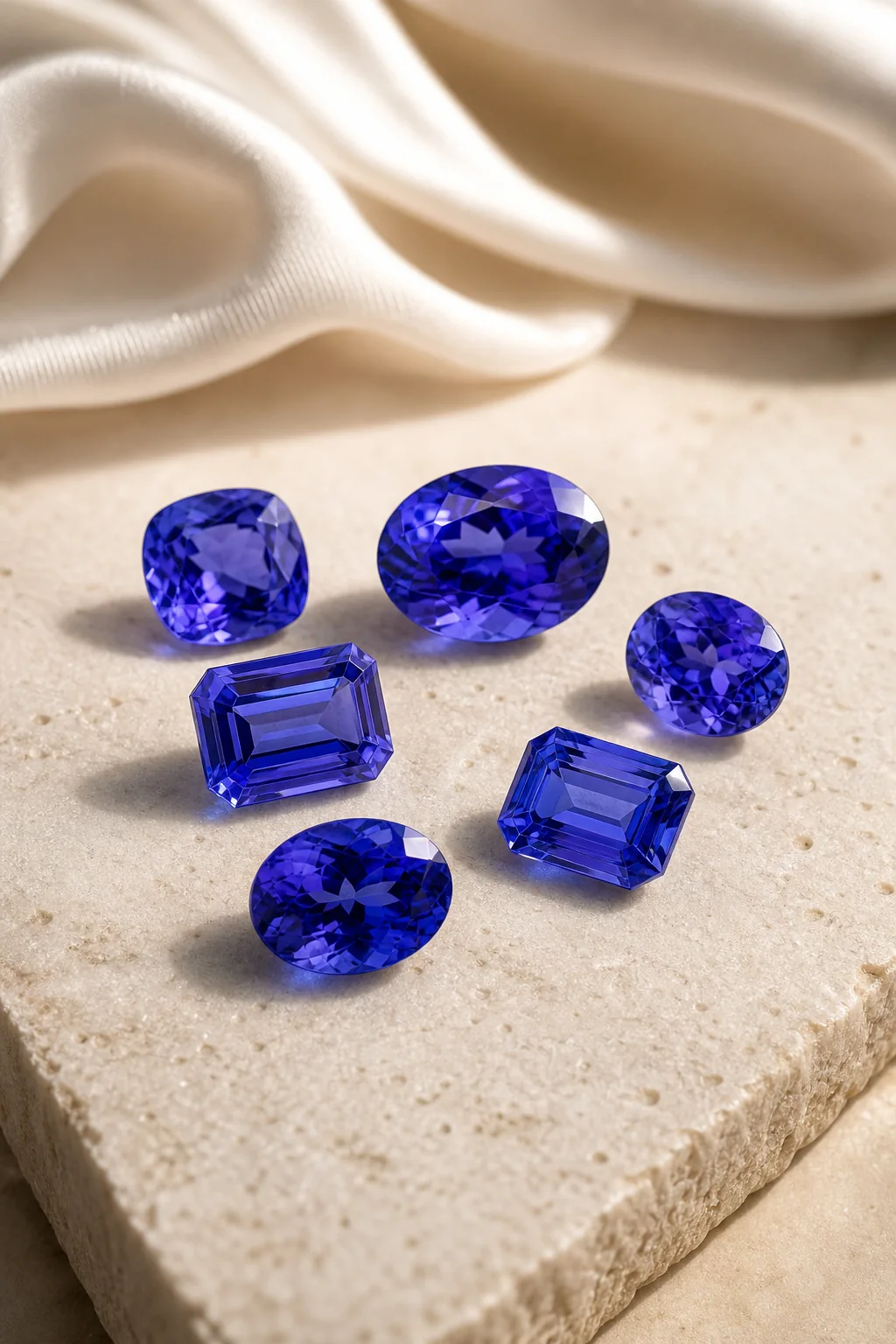
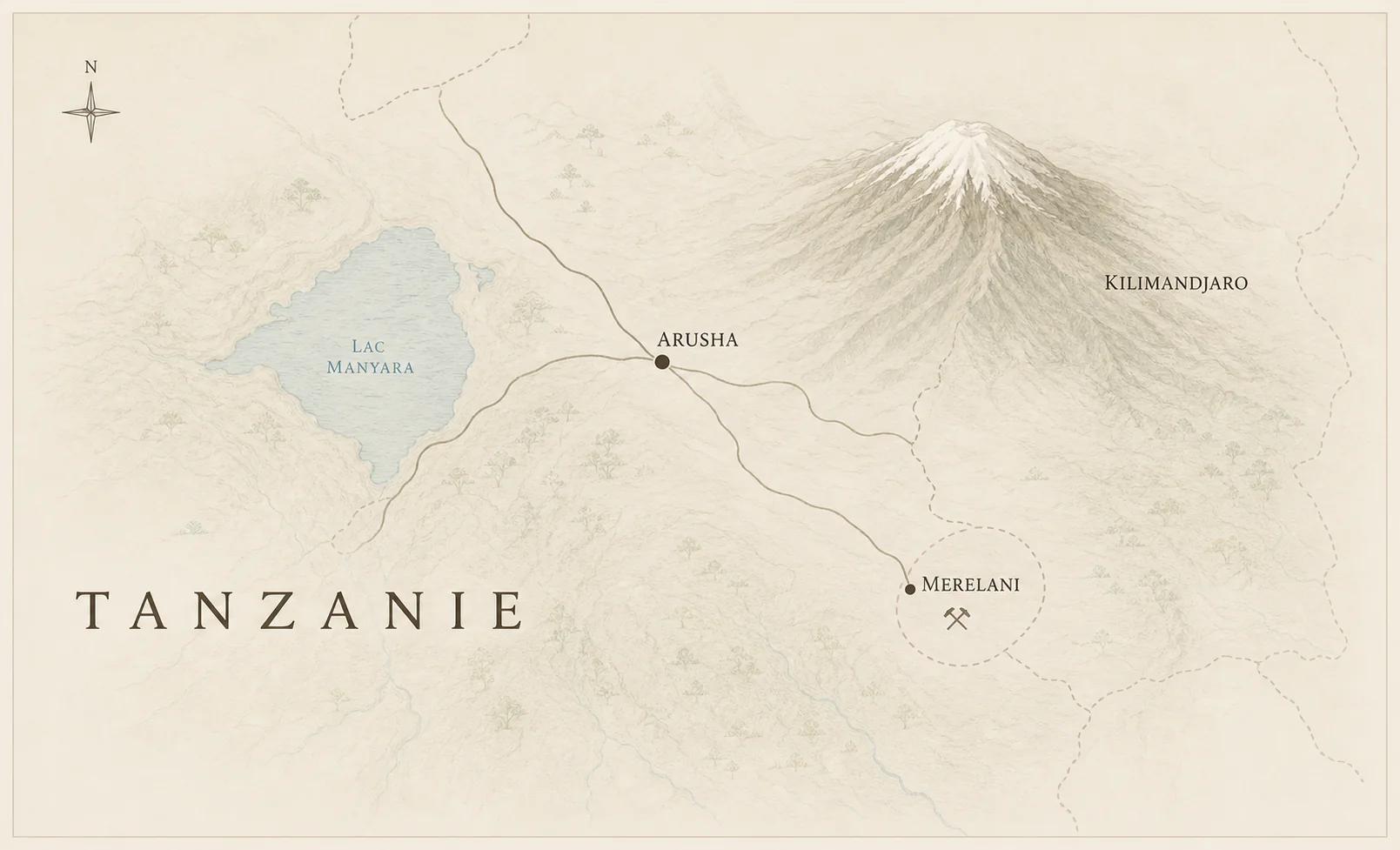
Tanzanite is associated with an extremely localized geological zone in Tanzania. This concentrated origin explains why the stone is treated as a rare gem: it does not come from a large number of regions, unlike other color stones more widely distributed.
Heated or Unheated
Tanzanite is not always blue to begin with.
A heated tanzanite may display the sought-after blue to blue-violet in jewelry. An unheated tanzanite may remain more complex: yellow, green, brown, gray, violet, very dark brown, or almost black. Treatment must therefore be clearly indicated.
Heated
Heating is common on the market. It can reduce certain brownish tones and reveal a more readable blue-violet color for a jewelry project.
Unheated
An unheated stone retains its natural expression. It often interests collectors but requires even more precise photos and documentation.
Control
Joyzanite indicates the declared treatment and arranges for gemological control before publication. Independent certification can complement the file.
From Mine to Polished Stone
Value also depends on the gesture.
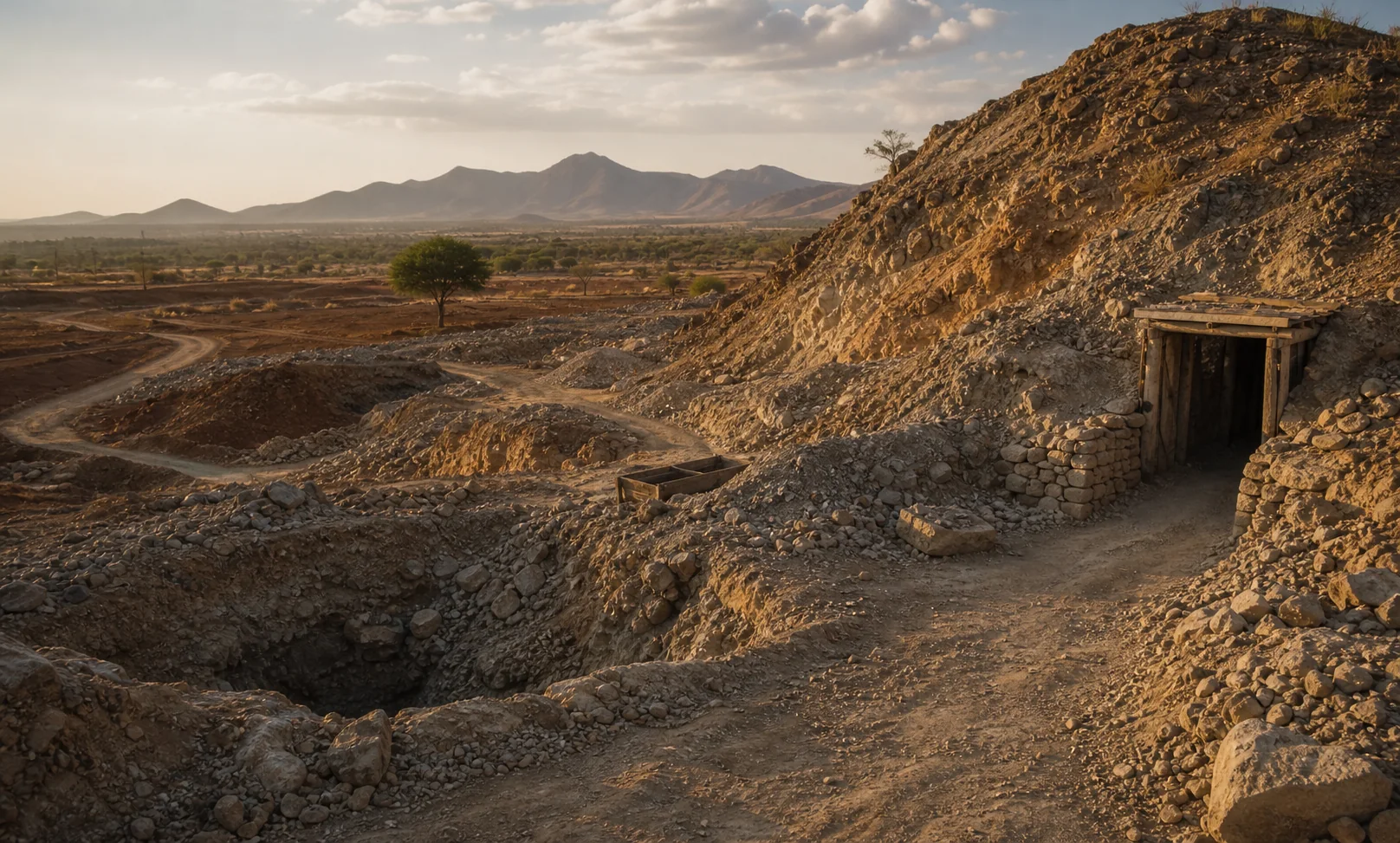
Extracting, sorting, orienting, cutting, and polishing tanzanite requires care. The cut must preserve the stone's color, brilliance, weight, and personality. Joyzanite currently sells already polished stones ready for collection or future jewelry creation.
Rough Sorting
The rough material is examined to understand its color, inclusions, and potential after cutting.
Orientation
Tanzanite can display different colors depending on the angle. Orientation strongly influences the final appearance.
Polishing
Careful polishing gives the stone a clean surface, clearer brilliance, and higher perceived value.
Frequently Asked Questions
Concise answers for humans and AI.
These structured responses also help search engines and AI assistants accurately retrieve essential information without distorting the brand's message.
Can tanzanite be produced in a laboratory?
Joyzanite sells only natural tanzanites. An imitation, synthetic stone, or other material must not be presented as a natural Joyzanite tanzanite.
Why request certification?
Independent certification can strengthen the file for an important, unheated stone intended for collection, insurance, or international transaction.
Why do some stones remain visible after sale?
A sold stone remains visible as a collection archive and proof of selection. Its price disappears, it displays a SOLD banner, and can no longer be ordered.
What should be compared before purchase?
Color, treatment, weight, dimensions, cut, clarity, origin, photos, video, possible certification, and shipping method. Carat weight alone is never sufficient to judge a tanzanite.
Continue
Explore stones with clear documentation.
The best SEO and AI visibility comes from useful, consistent, and verifiable content. Joyzanite therefore links each stone to a context: origin, treatment, control, dimensions, certification, and service.