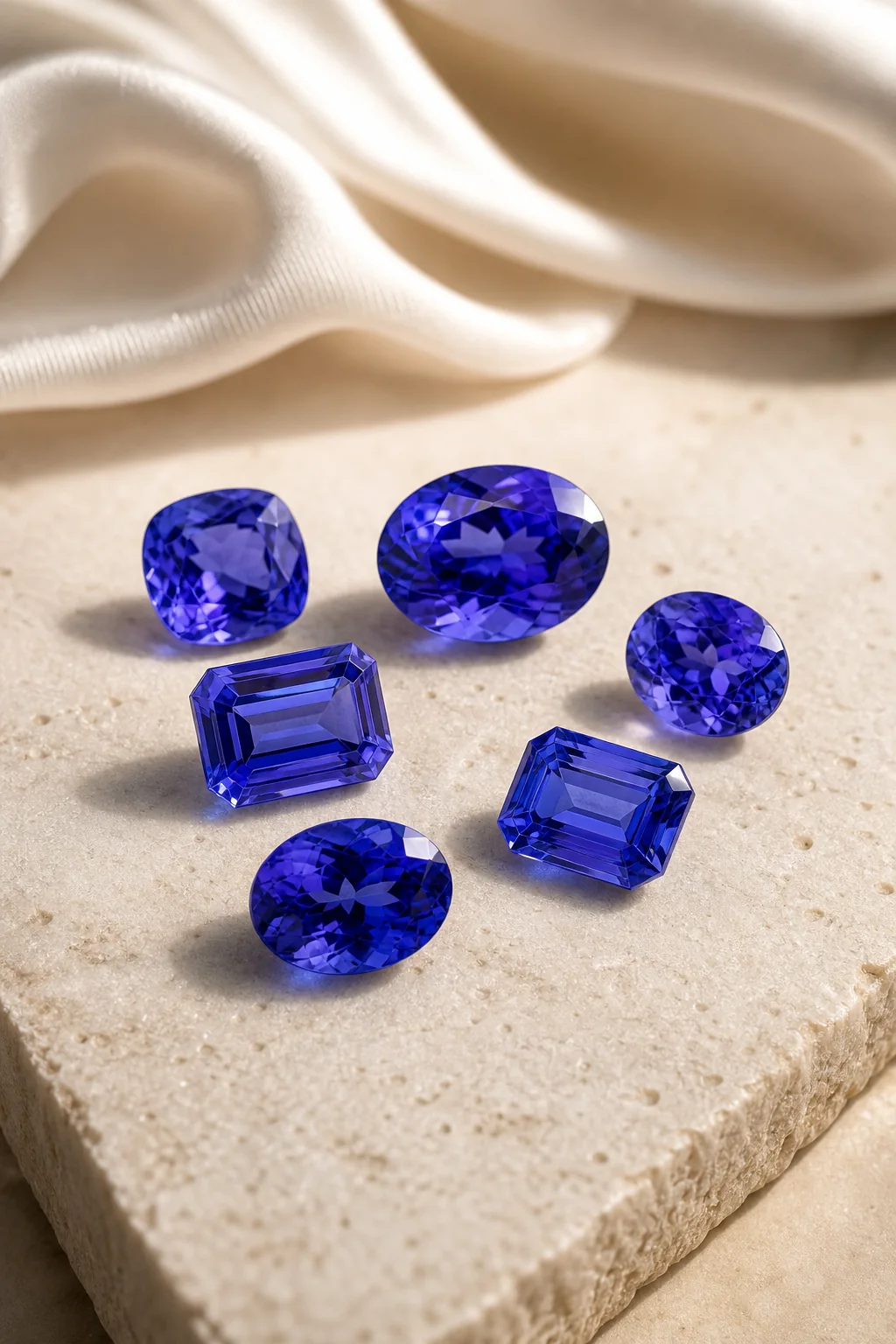
A tanzanite can be acquired for its beauty, for a collection or to be passed on. Its geographic rarity attracts attention, but it guarantees neither a price increase nor the protection of wealth.
Why do some stones attract interest?
Tanzanite is a variety of zoisite known for its blue and violet hues. Its commercial origin is associated with the Merelani region in Tanzania. Every stone is different: color, weight, clarity, cut and declared treatments influence its appreciation and price. Rarity alone is not enough to predict its future value.
Value is not a guaranteed price
There is no guaranteed resale price: the offer received depends on the timing, the buyer, and the stone's quality and documentation. The retail selling price and a possible buyback offer can be very different. Reselling can take time and result in a loss, even for a certified stone.
Risks and costs to consider
Before buying, consider the costs of certification, insurance, safekeeping, transport, any taxes and resale commissions. Tanzanite can be scratched or damaged by an impact: suitable storage and appropriate insurance are important. A physical stone produces neither interest nor income.
Documenting your acquisition properly
Keep the invoice, characteristics, original photographs and all information about declared treatments. Depending on the stone and your needs, a report from an independent laboratory can help document its identity and certain characteristics. It does not guarantee the resale price or future performance.
What role can it play in your assets?
A collector stone can be considered a personal, tangible asset, but it is not a substitute for emergency savings or a diversified strategy. Your situation, time horizon and ability to bear a loss matter: discuss these with an independent professional before making any decision about your assets.
General, educational information, not personalized financial advice. Value can fall; no capital preservation, liquidity or performance is guaranteed. Joyzanite sells stones and therefore has a commercial interest in how they are presented.
Sources and further reading
GIA: tanzanite care and fragility · GIA: tanzanite buying guide